
Complete guide to the GR® 10:
Successfully crossing the Pyrenees
The GR® 10 is one of Europe’s greatest hiking adventures. This legendary trail crosses the entire Pyrenees mountain range, linking the Atlantic Ocean to the Mediterranean Sea. Whether you’re planning to walk the entire GR® 10 or just a section of it, this guide provides all the essential information: distance, stages, difficulty, preparation, budget, equipment and expert advice.
What is the GR® 10 ?
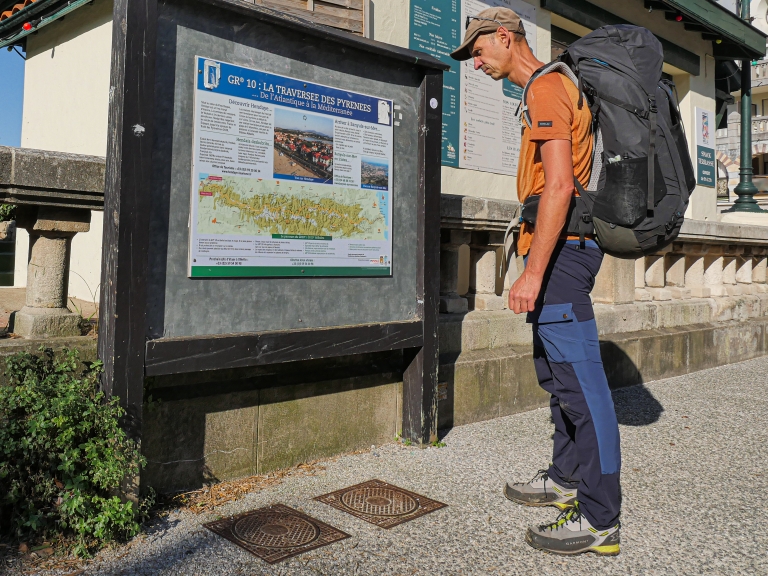
Departure GR10 © David Genestal
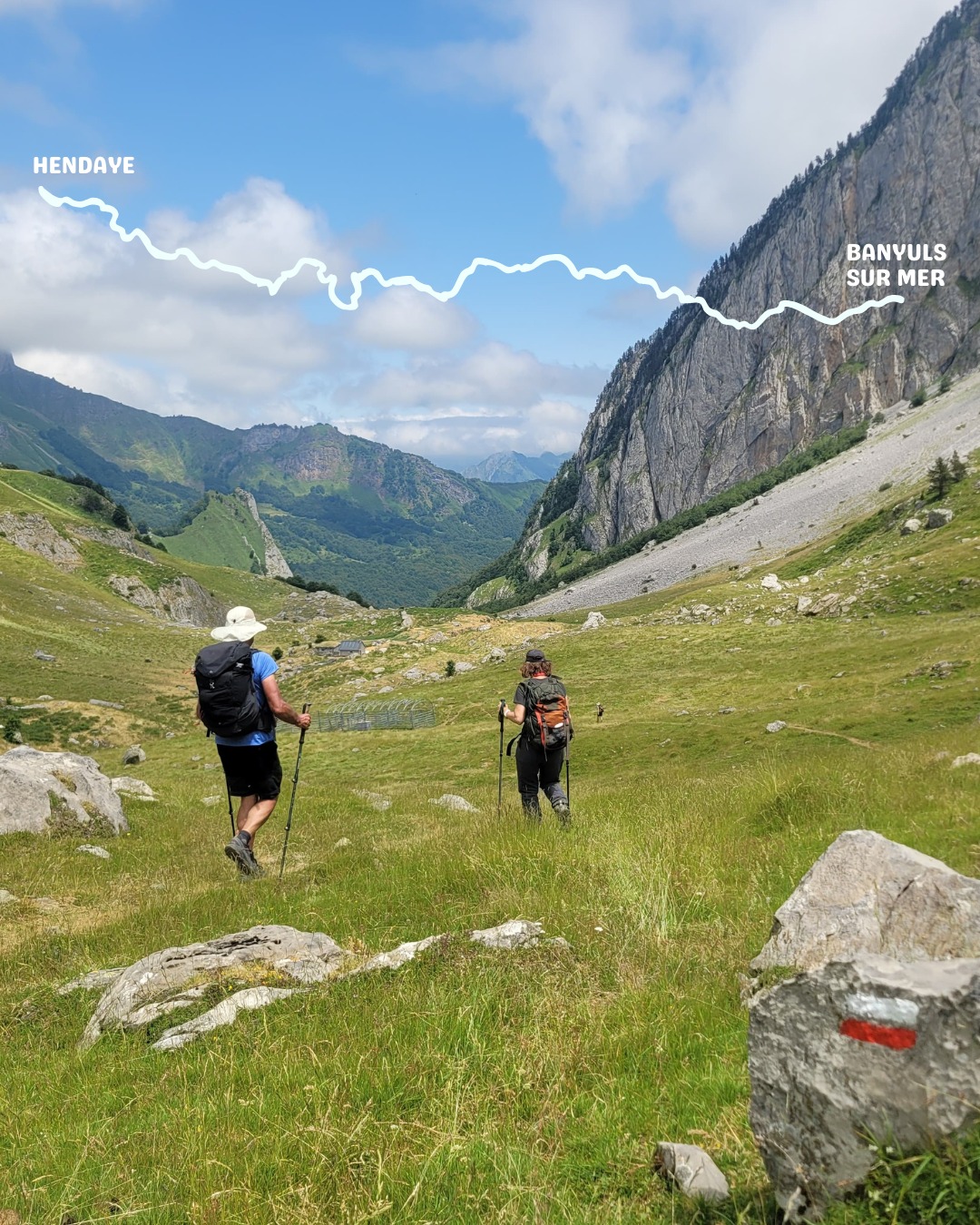
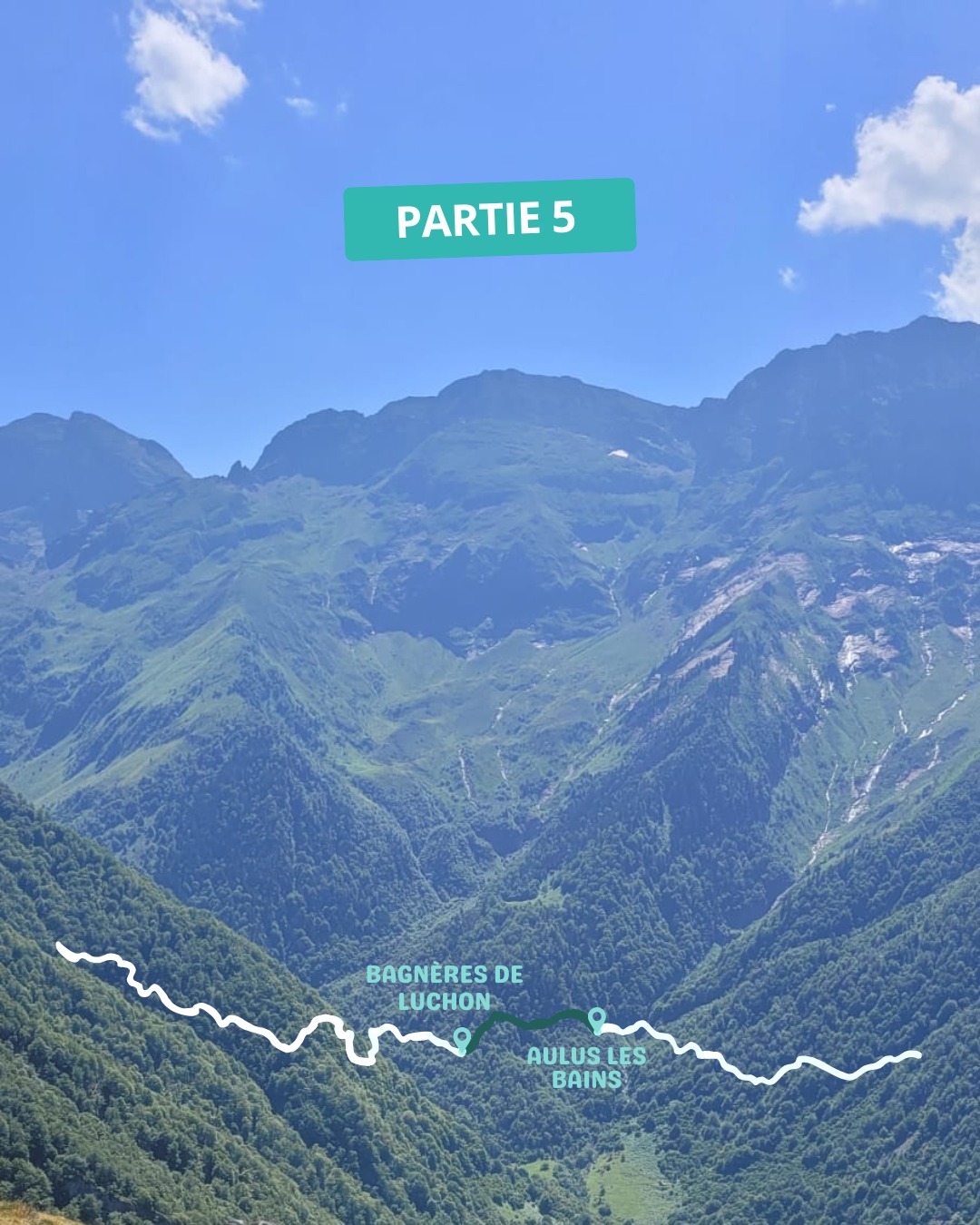
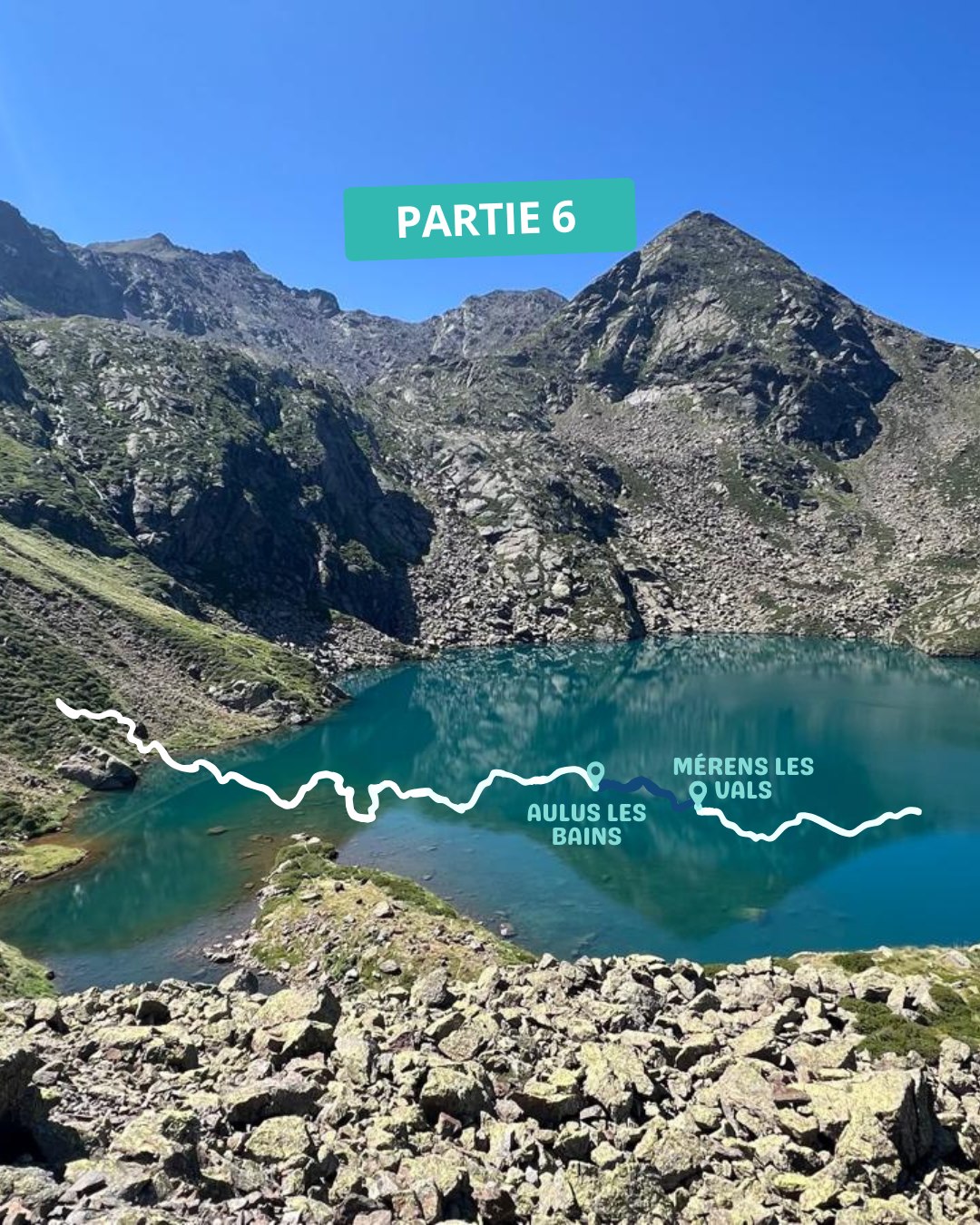
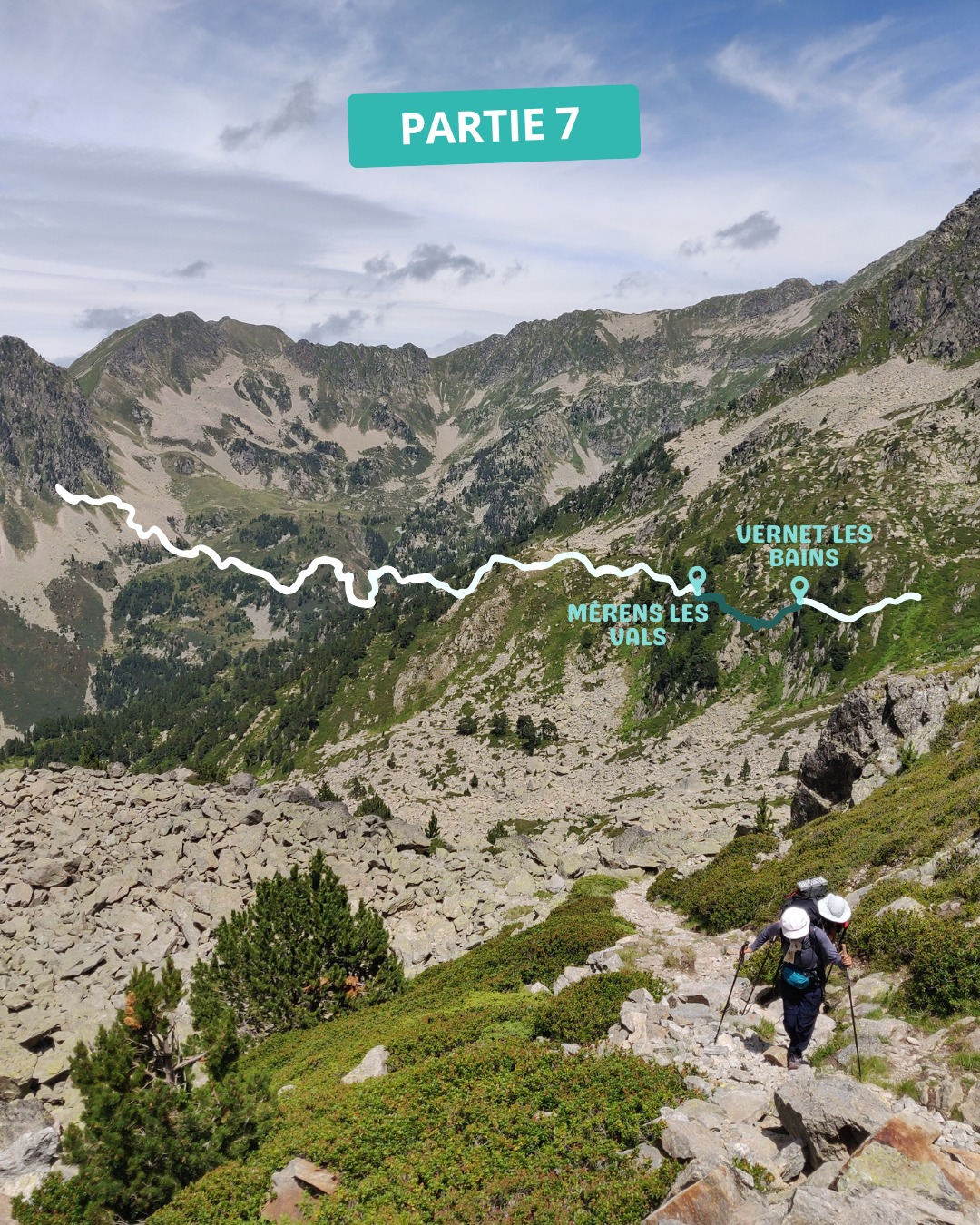
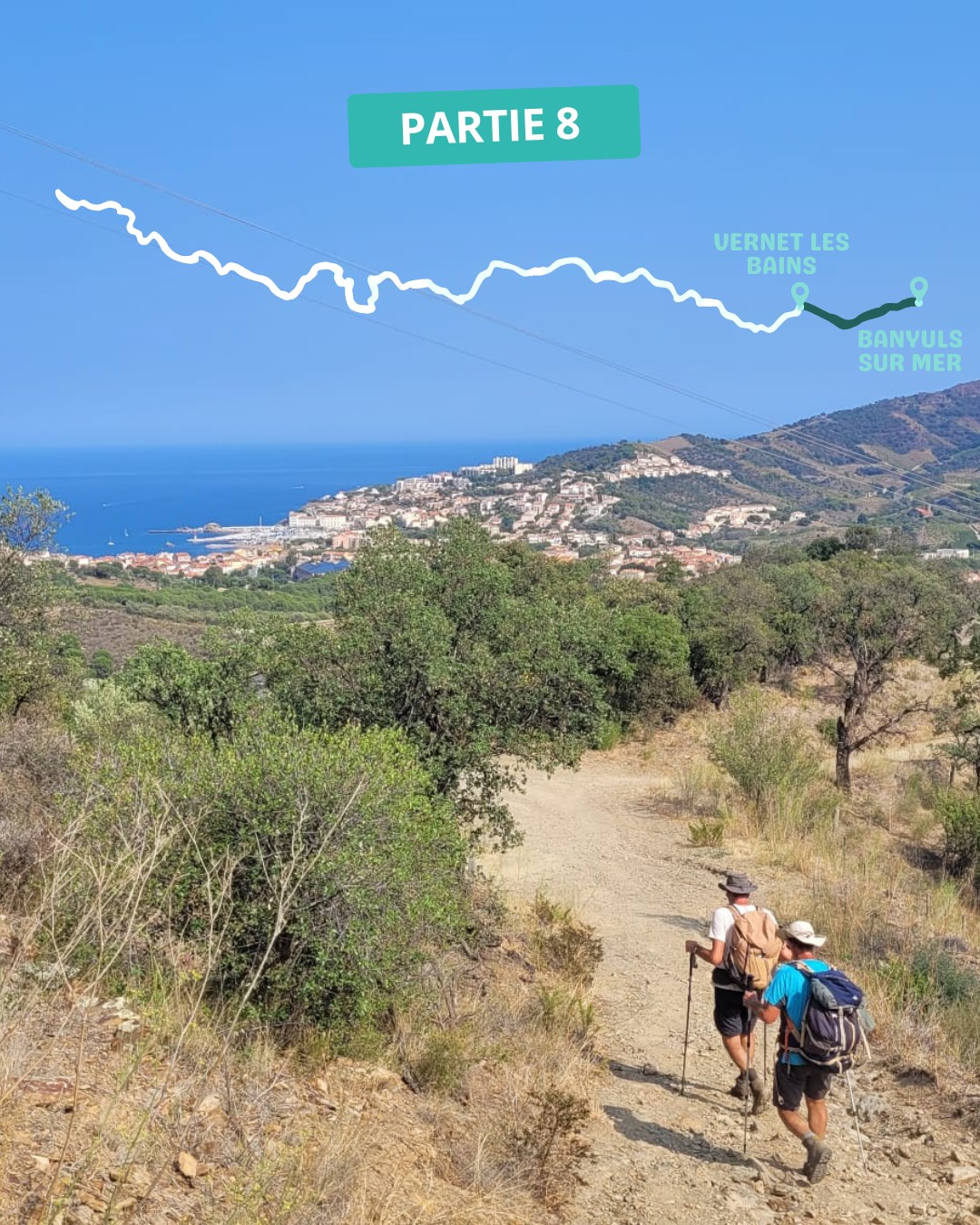
The GR® 10 is a long-distance hiking trail that crosses the French Pyrenees from west to east, from Hendaye on the Atlantic coast to Banyuls-sur-Mer on the Mediterranean coast. It crosses the Pyrenees on the French side, unlike the GR® 11 (Spain) or the Haute Randonnée Pyrénéenne (HRP). It is a complete traverse of the Pyrenees mountain range, offering an exceptional variety of landscapes.
Some key facts:
• Distance : approximately 900 km
• Total ascent : approximately 55,000 m
• Duration : 45 à 60 days on average
• Number of stages : 45 à 55
• Difficulty : moderate to difficult
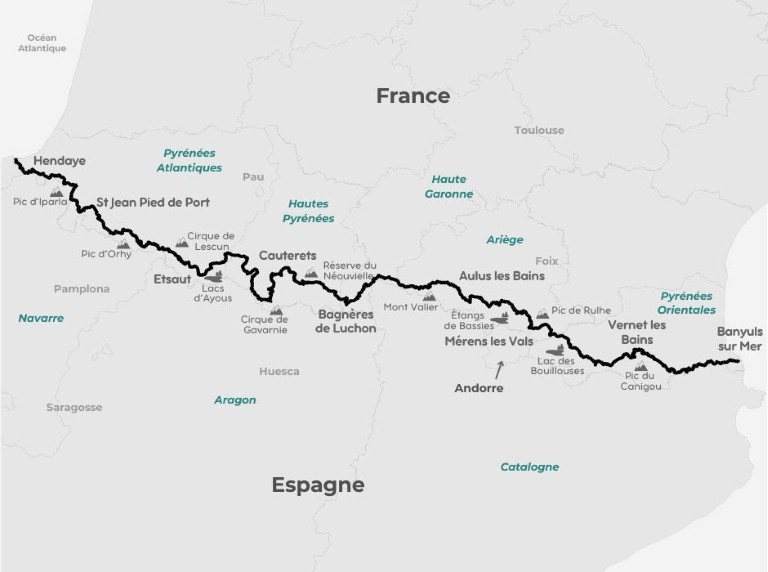
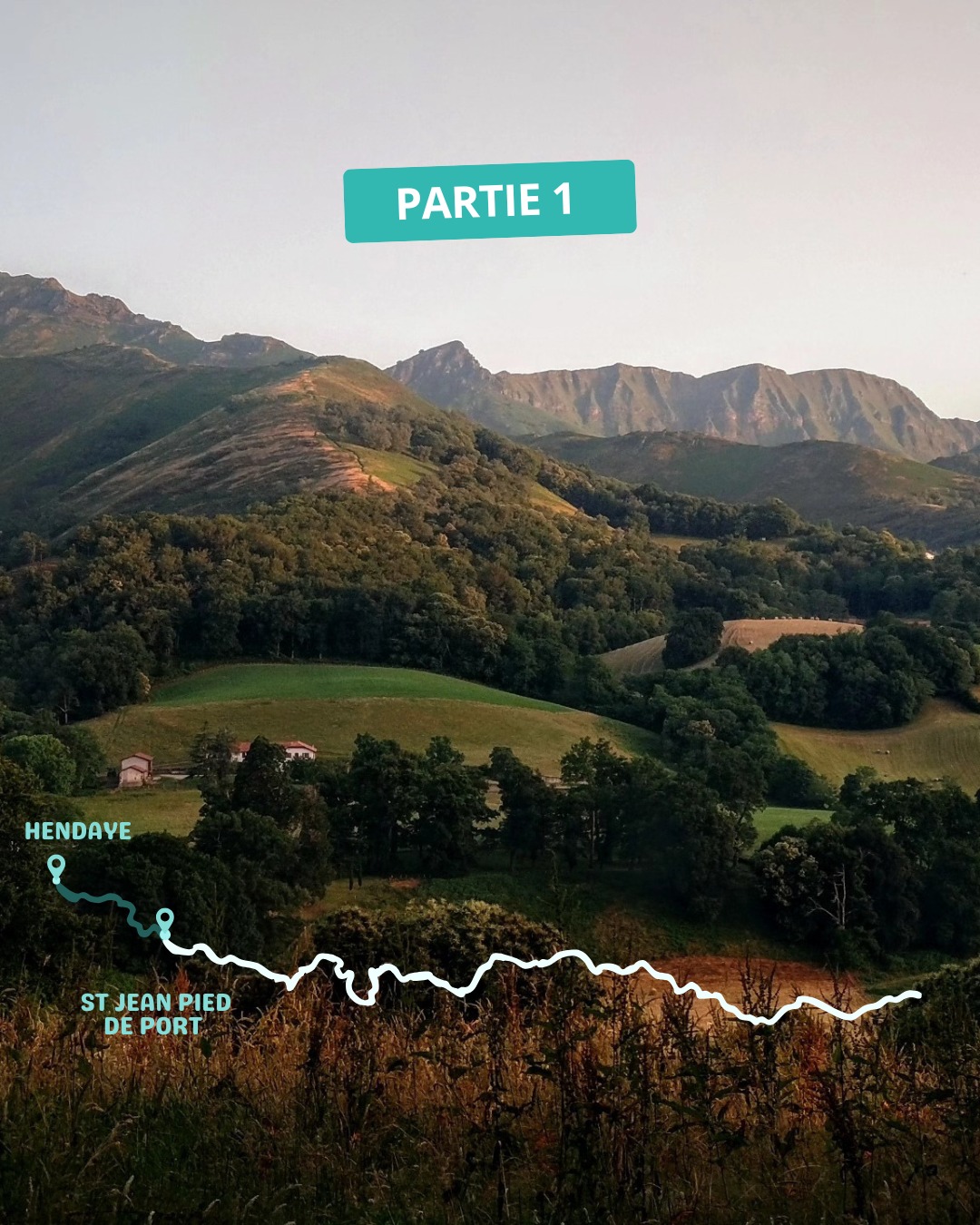
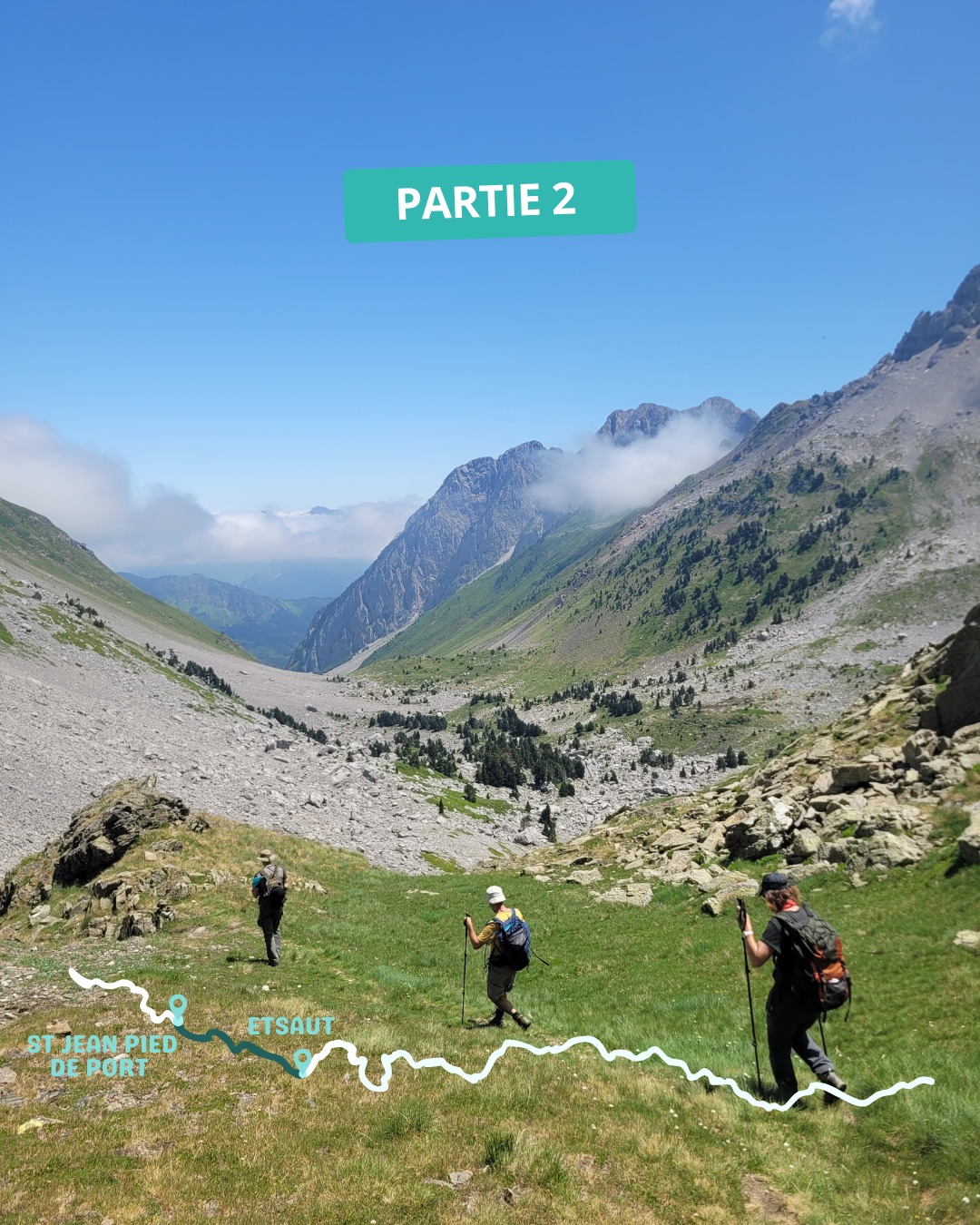
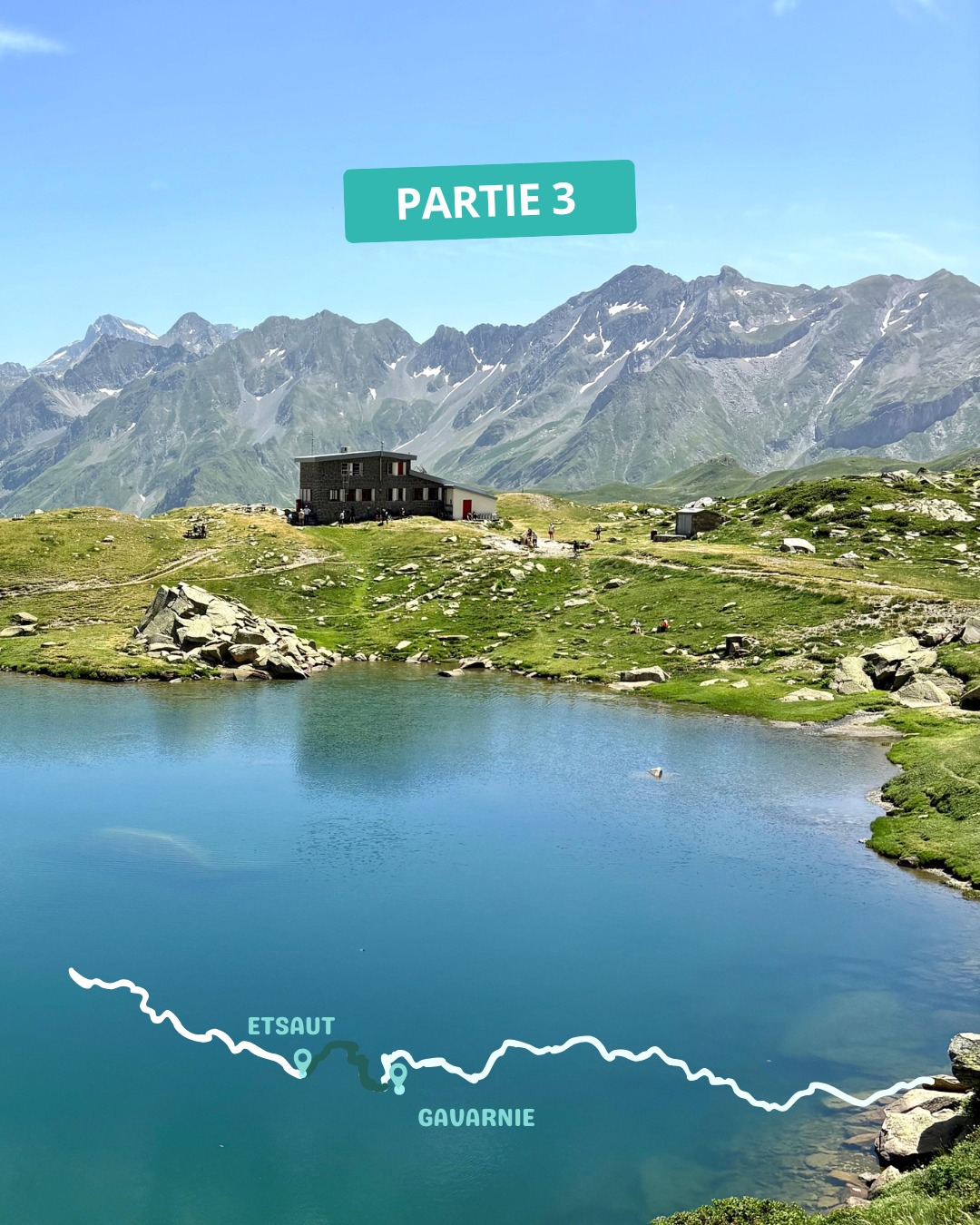
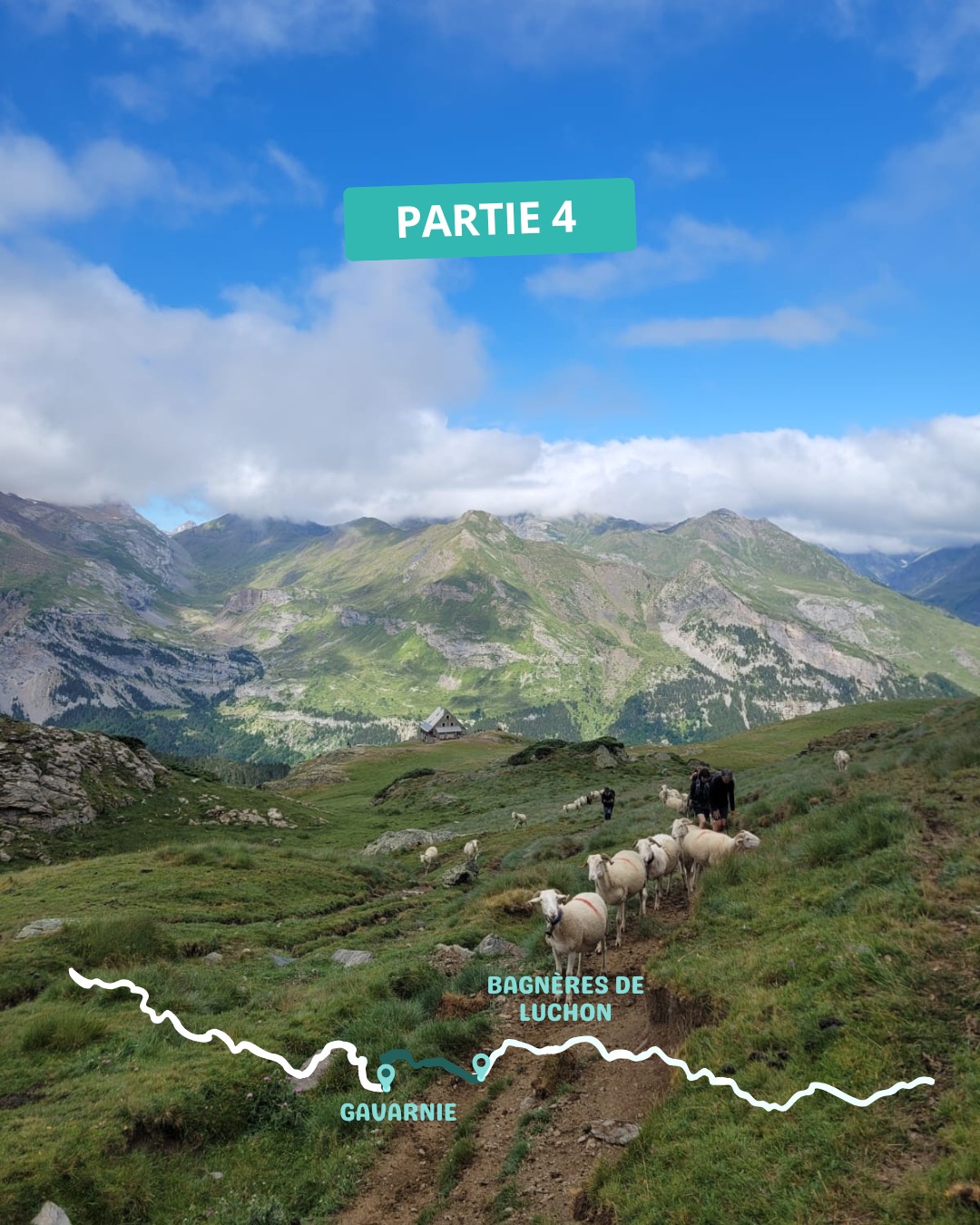
Map and route of the GR® 10
The GR® 10 crosses 4 major natural regions, each with its own distinct character.
The Basque Country and Béarn
This section, which crosses the Basque Country and Béarn, is ideal for a gentle start, with its rolling, green hills, mild climate influenced by the sea, and dense vegetation.
The Central Pyrenees
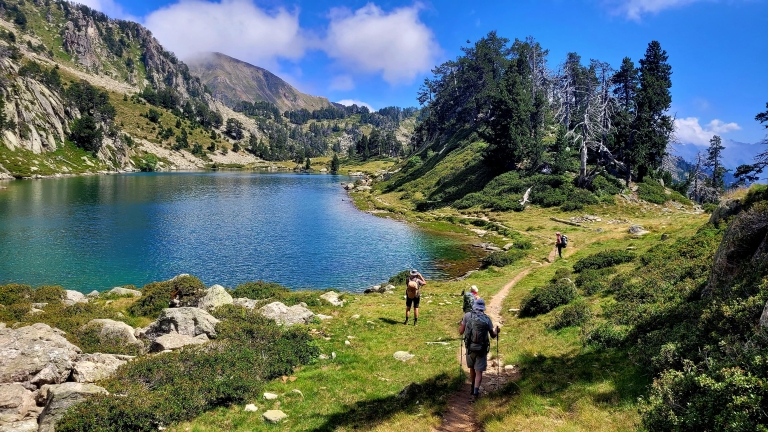
In the Central Pyrenees, the terrain is more rugged and the hike becomes more demanding. But you will be rewarded with spectacular scenery, high-altitude lakes and the chance to explore the Pyrenees National Park and the Néouvielle Nature Reserve.
The Ariège
The Ariège is probably the wildest and most remote section of this great trek. Immerse yourself in an authentic mountain atmosphere.
The Eastern Pyrenees
Gradually, the Mediterranean influence becomes apparent with drier, rockier terrain and a warmer climate. The Eastern Pyrenees mark the end of the GR® 10 with a symbolic finish by the sea. The transition from mountains to sea creates a sharp contrast.
Difficulty level of the GR® 10
The GR® 10 is considered a moderate to difficult hiking trail. However, no mountaineering skills are required; anyone who is well prepared can complete it. The main challenges are:
Some steep gradients
Long stages
Technical and occasionally rugged
terrain (scree, rocky slopes, etc.)
Fatigue built up over several days
Planning your route
You don’t need to plan every detail, but you should at least have a general idea of:
• Start and finish points.
• Average walking pace. On average, hikers cover: 10 to 20 km per day, and 800 m to 1,200 m of elevation gain.
• The key stages, particularly when deciding on your accommodation and rest stops.
• Make sure you also plan in rest days and allow for flexibility.
You can also opt for a simpler option by choosing our self-guided holiday package on the GR10. We’ll take care of planning your route, booking your accommodation and even transporting your luggage, so you can hike light and enjoy complete peace of mind.
When is the best time to hike the GR® 10?
The ideal time is between late June and mid-September. Setting off too early means you may encounter snow on the mountain passes. Setting off too late increases the risk of bad weather and mountain huts being closed.
Conditions by month:
Late June - early July:
the mountains are still wild,
but there may be snowfields
July - August:
more stable weather, but busier
September:
fewer people, pleasant temperatures, shorter days
Where to stay on the GR® 10?
The GR® 10 offers a range of accommodation options.
Mountain huts: the most popular option, offering simple and affordable accommodation.
Gîtes: more comfortable and often located in villages.
Wild camping: offers freedom but is subject to regulations, particularly within the National Park and nature reserves. Some gîtes offer a low-cost wild camping option with access to the gîte’s facilities.
Hotels: available in some valleys.
Do I need to book? We recommend booking, particularly during the high season (July and August), as certain areas are in high demand (the Basque Country, Gavarnie, etc.).
Physical preparation for the GR® 10
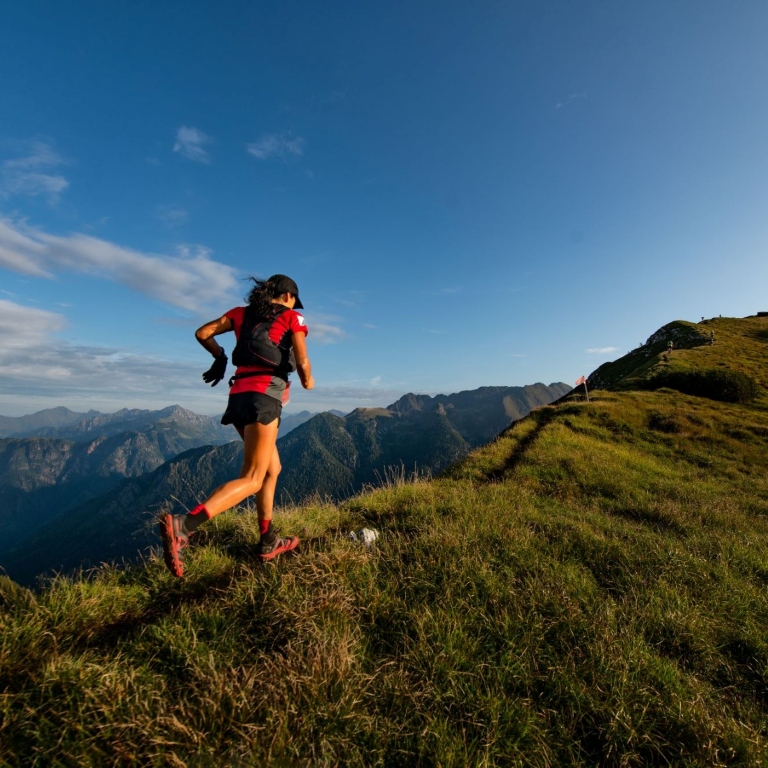
Setting out on the GR® 10 is not something to be taken lightly. It is a long-distance trek that places significant physical demands on the body and also tests one’s mental resilience. With nearly 900 km to cover and over 55,000 m of cumulative ascent, the route requires sustained effort throughout. Hikers follow a succession of paths through woodland, cross mountain passes, traverse rocky terrain and make their way through remote valleys. Some sections can be long, technical and isolated. It is therefore important to be in good physical condition, to be self-sufficient and to have made thorough logistical arrangements in advance.
Although the GR® 10 is a demanding trail, it remains accessible with proper preparation.
Recommended training:
Ideally, start 3 to 6 months in advance. Focus on:
Regular hikes involving elevation gain
Walking with a heavy bag.
Leg strengthening exercises.
Cardio exercises
(running, cycling, swimming, etc.)
to build up your stamina.
Get your body used to it gradually. Consistency is more important than performance.
Essential equipment for the GR® 10
The right kit is essential for walking the GR® 10 safely and comfortably. The weight of your bag is a key factor in how well you make progress. If it’s too heavy, you’ll tire quickly; conversely, a bag that’s too light may compromise your safety. Ideally, you should aim for a weight of between 8 and 12 kg maximum, excluding water and food.
Essential equipment:
- A good-quality bag, 30–60 litres depending on the length of your trek.
- Hiking boots that have already been broken in.
- Technical clothing following the 3-layer system: breathable, insulating, waterproof. This is the golden rule for staying warm, dry and well protected on your hikes.
- Sun protection: sunglasses, hat, sun cream.
- Sleeping bag or sleeping bag liner.
- First-aid kit, emergency blanket.
- Head torch.
- Map, guidebook, GPS app.
Test before
Before you set off, go on a few days’ hike with a bag. This allows you to:
• Test your kit
• Adjust the weight of your bag
• Get a feel for your pace
This is an essential step!
How much does it cost to walk the GR® 10?
Your budget will depend on your hiking style and the level of comfort you’re looking for.
- In mountain huts and guesthouses: allow an average of €55 per day for half-board.
- Comfort option: expect to pay around €70 per day.
- Wild camping: this is the most economical option. The cost will vary depending on whether you choose to hike the GR10 entirely self-catering or to have your meals and breakfasts at accommodation.
5 tips for a successful GR® 10 hike
Start slowly, at your own pace, and listen to your body
Schedule rest days
To remain flexible in case of unforeseen circumstances or to make the most of a place
Get help from experts with the organisation and logistics
Make the most of the
experience
5 mistakes to avoid on the GR® 10
Carrying a bag that’s
too heavy
Neglecting physical
preparation
Testing new equipment on the GR10
Trying to rush things
Underestimating the weather
Key takeaways
Whether you choose to walk the GR10 with a guide or in self-guided, in one go or in stages, crossing the Pyrenees is a unique experience that rewards every step with exceptional views and unforgettable memories.
Testimonials: They have completed the GR® 10
Several of our customers have completed the incredible trek across the Pyrenees on the GR10. Some have tackled it all in one go, whilst others have explored it gradually, step by step. Read about their experiences:
FAQ ABOUT GR®10
No, but it’s still a challenging hike and requires thorough preparation to minimise the risks. Find our tips here: PREPARING FOR THE GR10